직접 판독 분광기가 비용을 절감해 줄 수 있을까요?
Can Direct Reading Spectrometer Cut Your Costs?
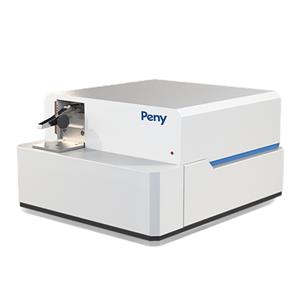
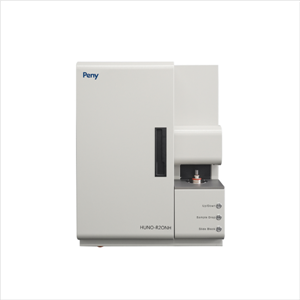
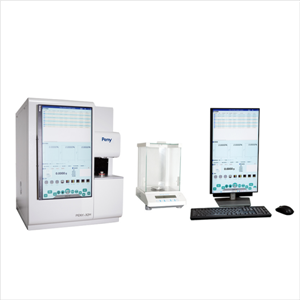
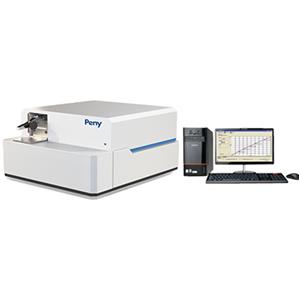
Imagine this: It's 2 AM at your foundry, and a critical heat of steel is about to be poured. Your operator rushes a sample to the direct reading spectrometer (DRS), but the result shows an unexpected carbon equivalent. Production halts. The shift supervisor scrambles to re-melt, energy costs spike, and the delivery deadline slips. You wonder: is this instrument saving us money or bleeding us dry? The short answer: a properly calibrated, well-maintained DRS can absolutely cut costs—by reducing rework, scrap, and downtime. But only if you address the hidden pain points. In this blog, we'll dive deep into how a DRS impacts your bottom line, the common pitfalls that erode savings, and how companies like Peny Scientific Instruments (Nantong) Co., Ltd. are helping metal producers turn their spectrometers into profit centers.
Pain Point 1: Calibration Drift and Inaccurate Results
Calibration drift is the silent killer of DRS accuracy. Over time, optical components degrade, temperature fluctuations shift, and standard samples become outdated. The consequence? Results that are off by just 0.02% carbon can lead to a rejected heat, costing $5,000 to $50,000 per incident. In a high-volume shop, that's hundreds of thousands annually. Worse, inconsistent results erode operator trust, leading to manual overrides and further errors.
Solution: Implement a rigorous calibration schedule using certified reference materials (CRMs) traceable to NIST or BAM. Modern DRS like those from Peny Scientific Instruments feature automatic drift correction and real-time spectral monitoring. For example, their PDA-7000 series uses a closed-loop feedback system that adjusts for temperature and pressure variations, maintaining accuracy within ±0.01% for key elements. Regular maintenance contracts with OEM-trained technicians also prevent drift before it starts.
Pain Point 2: Sample Preparation Bottlenecks
In a busy melt shop, sample preparation is often the rate-limiting step. Manual grinding, polishing, and cleaning take 5-10 minutes per sample. If you run 50 samples per shift, that's over 8 hours of labor daily—time that could be spent on value-added tasks. Moreover, inconsistent surface finish leads to poor excitation and erroneous readings, causing rework.
Solution: Automate sample prep with robotic systems or semi-automatic mills. Peny Scientific Instruments offers integrated sample preparation stations that reduce prep time to under 2 minutes with repeatable surface quality. Their AutoPrep 5000 uses a programmable milling head and automated cleaning, ensuring consistent roughness (Ra ≤ 0.8 µm) for reliable excitation. Coupled with a DRS that has a large sample chamber, you can load multiple samples and let the system run unattended.
Pain Point 3: Unplanned Downtime and High Maintenance Costs
When a DRS goes down, production stops. Emergency repairs can cost $10,000+ and take days, especially if spare parts are not locally available. Many facilities also overspend on maintenance due to reactive rather than proactive practices.
Solution: Adopt predictive maintenance using IoT-enabled DRS. Peny Scientific Instruments' spectrometers come with remote diagnostics and condition monitoring. Sensors track argon purity, spark chamber wear, and optical alignment, alerting operators before failures occur. Their service network in Europe and Asia ensures spare parts delivery within 24 hours. Additionally, training your team on basic troubleshooting can reduce downtime by 30%.
Customer Cases
Case 1: SteelWorks Germany GmbH, Duisburg – This specialty steel producer struggled with calibration drift, causing 3% of heats to be reworked. After installing Peny's PDA-8000 with automatic drift correction and a quarterly calibration service, rework dropped to 0.5%, saving €250,000 annually. "The consistency is remarkable—our operators now trust the results blindly," said Dr. Klaus Meier, Quality Manager.
Case 2: AluTech Extrusions, Lyon, France – Facing sample prep bottlenecks, AluTech integrated Peny's AutoPrep 5000. Prep time per sample fell from 8 minutes to 90 seconds, and lab throughput increased by 40%. "We redeployed two technicians to R&D, accelerating new alloy development," noted Sophie Laurent, Lab Director.
Case 3: Midwest Foundry Solutions, Ohio, USA – Unplanned downtime was costing $15,000 per day. Peny's remote monitoring and 24/7 support reduced downtime by 70%. "We haven't had a major breakdown in 18 months, and maintenance costs are down 25%," said Jim Carter, Plant Manager.
Case 4: Precision Castings Ltd., Sheffield, UK – Inconsistent results led to a 5% scrap rate. After switching to Peny's DRS with CRM calibration and operator training, scrap fell to 1.2%, saving £180,000 per year. "The payback was under 9 months," remarked Emma Hughes, Operations Director.
Applications and Partnerships
Direct reading spectrometers are indispensable in steel, aluminum, copper, and alloy production, as well as in recycling and automotive parts manufacturing. Peny Scientific Instruments (Nantong) Co., Ltd. has established strategic partnerships with major metal producers and distributors across Europe and Asia. For instance, they supply DRS units to ThyssenKrupp's service centers and have a collaboration with a leading automotive tier-one supplier for on-site alloy verification. These partnerships underscore the reliability and technical support that Peny provides.
FAQ
Q1: How often should I calibrate my DRS?
A: It depends on usage and environmental conditions. For high-volume operations, daily type standardization with weekly full calibration using CRMs is recommended. Peny's systems allow for automated drift correction between calibrations, but periodic verification with CRMs ensures long-term accuracy.
Q2: Can a DRS analyze all elements in my alloy?
A: Most DRS cover a wide range from ppm to high percentages for metals, but light elements like C, S, P, and N require vacuum or argon purging. Peny's spectrometers offer optional UV optics for enhanced light element performance.
Q3: What sample preparation is required for accurate results?
A: A flat, clean surface with roughness Ra ≤ 1.6 µm is essential. Use a dedicated mill or grinder to avoid contamination. Peny's AutoPrep ensures consistent surface quality, but manual prep can work if protocols are strictly followed.
Q4: How do I justify the cost of a new DRS to management?
A: Focus on ROI: reduced scrap, faster turnaround, and lower maintenance. Calculate current costs of rework, downtime, and lab labor. A new DRS typically pays for itself within 12-18 months. Peny provides ROI calculators and case studies to support your business case.
Q5: What support does Peny offer for method development?
A: Peny's application engineers assist with method creation for new alloys, including calibration curve setup and validation. They also offer on-site training and remote support to ensure your team maximizes the instrument's capabilities.
Conclusion & Call to Action
A direct reading spectrometer is not just a quality control tool—it's a cost-saving asset when properly managed. By addressing calibration drift, sample prep bottlenecks, and downtime, you can unlock significant savings and improve operational efficiency. Peny Scientific Instruments (Nantong) Co., Ltd. combines advanced technology with robust support to help you achieve these gains. Ready to learn more? Download our technical whitepaper on optimizing DRS performance or contact our sales engineers for a personalized consultation. Don't let hidden costs eat into your profits—take control today.